September 23, 2026
Residential Drain Cleaning Tacoma for First-Time Homeowners: A Practical Guide
By @messiahmkuj585
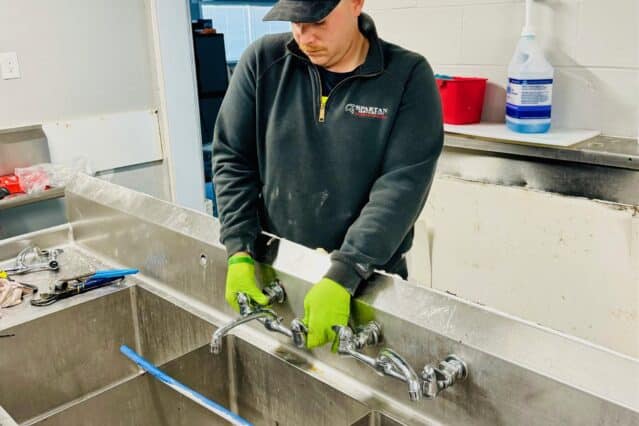

Buying your first home in Tacoma comes with a long list of new responsibilities, and drain care usually lands low on that list until something starts gurgling, backing up, or smelling wrong. Then it moves to the top in a hurry.
Most first-time homeowners expect to deal with paint, fences, appliances, and roofing. Fewer think much about what happens after water disappears down a sink or shower drain. That is understandable. Drains stay out of sight when they are working well. But in older neighborhoods, in homes with mixed generations of plumbing, or in houses that have sat vacant for a stretch, the drainage system often tells the real story of how well the property has been maintained.
Residential Drain Cleaning Tacoma is not just a service phrase people search after a clog. It is part of basic home ownership in a region where rain is common, tree roots are active, and many homes have plumbing systems with a few decades behind them. If you understand what causes drain problems, what you can safely handle yourself, and when to call a professional, you can avoid damage, stress, and some expensive emergency visits.
Why first-time homeowners get surprised by drains
The shock is rarely the clog itself. It is how quickly a small symptom becomes a house-wide disruption. A slow bathroom sink feels minor until the shower starts draining slowly too. A kitchen drain that hesitates for a week can turn into a full backup right before guests arrive. A downstairs toilet bubbling after an upstairs laundry cycle tends to get attention fast.
Part of the surprise is that drain systems are interconnected. A problem in one branch line can show up somewhere else entirely. I have seen new homeowners focus on a “bad toilet” when the deeper issue was a partially blocked main line. I have also seen people replace sink parts that were not broken because the real problem was grease buildup farther down the pipe.
There is also a learning curve in recognizing normal versus abnormal. A disposal humming without draining, a tub holding an inch of water around your feet, a laundry standpipe that threatens to overflow, or a sewer odor that appears only after heavy rain all suggest different causes. Knowing those differences matters because the fix is not the same in each case.
Tacoma homes have their own plumbing patterns
Tacoma’s housing stock is varied. You will find century-old homes with updated fixtures but aging underground lines, mid-century houses with original branch drains, and newer builds that generally perform better but still develop localized clogs from routine use. That range affects how drain issues show up.
Older homes often have more than one weak point. Cast iron can roughen inside as it ages, which gives debris more places to catch. Clay sewer lines, common in some older properties, are vulnerable to root intrusion. Even homes that have had partial remodels may have a patchwork of materials, which is not necessarily bad, but it does mean a technician needs to diagnose before guessing.
Tacoma’s wet climate also plays a role. Persistent moisture supports root growth, and roots are relentless around sewer lines. If a pipe has a small joint gap or crack, roots can find it. Once inside, they trap paper and waste until flow slows down or stops. That kind of issue usually does not announce itself all at once. It starts with occasional slow drains, a toilet Residential Drain Cleaning Tacoma that needs a second flush now and then, or a backup that appears only during heavy water use.
Homes with large trees near the sewer path deserve extra attention. So do houses where the previous owners were older and may have used less water than a family with kids, frequent laundry, and a full kitchen routine. A drain line that seemed “fine” under light use can reveal limitations quickly under heavier daily demand.
What drain cleaning actually covers
People use the term drain cleaning broadly, but it can mean several different things. Sometimes it is a simple fixture-level service, such as removing hair and soap residue from a bathroom line. Sometimes it is snaking a kitchen branch clogged with grease and food debris. In more serious cases, it means clearing the main sewer line or using a camera to inspect the pipe after repeated backups.
That distinction matters because price, urgency, and risk all change depending on where the blockage sits. A single slow lavatory sink is inconvenient. A main line issue can affect every drain in the house and create a sanitation problem.
Professional Residential Drain Cleaning Tacoma companies typically work on a spectrum of issues, from basic stoppages to advanced diagnostics. A good technician does more than push a cable and leave. They ask what fixtures are affected, how long the symptoms have been present, whether backups happen during specific activities, and whether the house has a history of root problems or sewer repairs. Those details are practical, not cosmetic. They help pinpoint whether the problem is likely local, shared, or deeper in the system.
The early signs worth taking seriously
First-time owners often wait too long because the problem is still “kind of working.” That is the expensive zone. Not every slow drain is an emergency, but drains almost always get worse before they get better.
Watch for these warning signs:
- Water draining noticeably slower in more than one fixture
- Bubbling or gurgling sounds after flushing or draining water
- Recurring clogs in the same sink, tub, or toilet
- Bad smells coming from drains, especially after regular use
- Water backing up in a lower fixture when another one is running
The pattern matters as much as the symptom. One slow shower drain is usually local. A shower that bubbles when the toilet flushes points to a venting or branch line issue. A downstairs tub that fills with murky water during laundry usually suggests a shared drain problem, sometimes closer to the main line than homeowners expect.
What you can safely do on your own
A lot of minor drain issues can be improved with careful, basic maintenance. The key word is careful. New homeowners often bounce between two extremes: ignoring the problem for weeks, or attacking it with aggressive chemical cleaners and hardware-store gadgets that do more harm than good.
Start with observation. Figure out whether the issue affects one fixture or several. If it is just one sink or tub, remove the stopper if possible and check for visible hair, soap film, or debris near the opening. In bathroom sinks, buildup often collects on the stopper assembly itself. Cleaning that alone can make a dramatic difference.
For tubs and showers, a plastic hair-removal tool can work surprisingly well if the clog is shallow. It is simple, cheap, and effective for hair mats near the top of the trap arm. In kitchen sinks, the first question is whether you have a disposal and whether the unit is turning but not clearing. Sometimes the issue is in the disposal chamber. Sometimes it is farther down the line.
A plunger is still one of the most useful tools in the house, but it needs to be used correctly. A sink plunger on a toilet is a poor match. A toilet plunger used on a flat sink basin often does not seal well. Technique matters too. Short, forceful plunging with a proper seal beats random splashing every time. If you have a double-basin kitchen sink, the other side needs to be sealed while plunging or you lose pressure.
Hot water can help with light soap and grease residue, but “hot” is not the same as boiling. Pouring boiling water into certain piping setups or porcelain fixtures is not a great habit. Warm to very hot tap-level flushing is safer for most routine maintenance.
What I would avoid in most first-home situations is repeated use of chemical drain cleaners. They can sit in the trap, create hazardous splash risks, damage certain pipes over time, and make a plumber’s work more dangerous if the line still needs to be opened manually. One bottle may not ruin your plumbing, but relying on it as a strategy usually means the real blockage remains in place and gets denser.
The mistakes that create bigger problems
The most common drain mistake in kitchens is grease. People know not to pour bacon grease straight down the drain, but plenty of clogs come from less obvious forms of fat. Pan drippings, oily sauces, butter-heavy residues, and even “small amounts” rinsed with hot water can cool farther down the pipe and cling to the walls. Over time, that sticky layer grabs food particles and narrows the passage.
In bathrooms, hair is the obvious villain, but wipes are the quiet one. Even products labeled flushable can cause problems in residential plumbing. Toilets are designed for human waste and toilet paper, not wipes, paper towels, cotton pads, floss, or hygiene products. One or two flushes may seem fine. The trouble comes when those items catch at bends, roots, or rough spots in the line.
A less discussed issue is overconfidence with hand augers or rented machines. Small hand snakes are useful in the right situation, especially for shallow sink and tub clogs. Large rental cable machines are different. They can damage older pipes, get stuck, or whip dangerously if used without experience. I have seen homeowners turn a manageable clog into a broken cleanout cap, a scratched fixture, or an expensive service call because the cable was forced too hard around a turn.
When it is time to call a professional
There is no award for fighting a drain problem past the point of reason. If several fixtures are involved, if sewage is backing up, or if the same clog keeps returning, professional service is usually the right move.
Call sooner rather than later if you notice any of the following conditions. A toilet that overflows after one flush despite cautious plunging, wastewater appearing in a tub or shower when the washing machine drains, repeated sewer odors that are strongest outside near the cleanout, or a backup in the lowest level of the home all suggest a larger problem than surface debris.
A professional can determine whether the proper solution is cabling, hydro jetting, trap clearing, branch cleaning, or camera inspection. That matters because the wrong method may open a small path through the clog without fully removing it. The drain seems better for a week, then fails again.
For main sewer line issues, camera work is especially valuable. It shows whether you are dealing with roots, offset joints, heavy scale, standing water from a belly in the line, or a collapsed section. Those are very different conditions with very different next steps. Without a visual inspection, you are making expensive guesses.
What a service visit usually looks like
First-time homeowners are often unsure what to expect from a drain cleaning appointment. A solid visit begins with questions. Which fixture is affected first, what happened recently, how long has it been occurring, and has any cleaner or tool already been used? Those details shape the approach.
From there, the technician may test nearby fixtures, inspect the cleanout if one is accessible, and determine whether the stoppage is local or systemic. If the issue is isolated to a bathroom sink, the fix may be straightforward and quick. If the whole house is draining poorly, the cleanout becomes much more relevant.
A basic cable clearing opens many clogs. But the useful part of a good visit is not just getting water to move again. It is learning why it clogged, how complete the clearing was, and whether further work is recommended. If roots are the issue, you need to know whether this is light intrusion that can be maintained periodically or severe growth that points toward repair or replacement in the future.
When people look for Residential Drain Cleaning Tacoma providers, they often focus only on price. Price matters, but diagnosis matters more. The cheapest call is not cheap if the line backs up again in ten days because the underlying issue was never identified.
Preventive care that actually works
Drain maintenance does not need to be complicated. It needs to be consistent and realistic. Most healthy household habits are boring, and that is a compliment.
Here is a simple routine that helps most homes:
- Use drain strainers in showers and tubs, and clean them regularly
- Keep grease, coffee grounds, and fibrous food scraps out of kitchen drains
- Flush only toilet paper and waste, nothing marketed as “convenient”
- Run plenty of water after disposal use, when a disposal is present
- Pay attention to changes in sound, speed, and odor before they become backups
That last point is underrated. Homes give warnings. A drain that suddenly sounds hollow, a toilet that blips air when another fixture runs, or a sink that starts clogging every few weeks instead of every few years is telling you something.
If your home has mature trees and an older sewer line, asking a local plumber about periodic preventive maintenance is reasonable. Not every house needs routine main line cleaning on a fixed schedule, but some absolutely benefit from it. A house with known root intrusion history may be cheaper to maintain proactively than to rescue during repeated emergencies.
Tacoma-specific judgment calls for new owners
One smart move after closing, especially if your home is older, is to find out what you are actually working with. If the seller’s inspection notes were vague on sewer condition, or if you inherited very little maintenance history, a camera inspection can be money well spent. It is not necessary for every home on day one, but in older Tacoma neighborhoods it can remove a lot of uncertainty.
Another judgment call involves rain and drainage around the property. Surface water and plumbing drains are separate systems in a properly functioning home, but heavy rain can expose weaknesses around cleanouts, yard drains, and old lines. If a sewer smell appears after storms, or if drains behave worse during very wet periods, mention that specifically when you call. It can help the technician narrow the problem faster.
Pay attention to the lowest plumbing fixture in the home. In many houses, that is a basement shower, a utility sink, or a lower-level tub. Those fixtures often show main line problems first because wastewater seeks the lowest available outlet. If anything odd happens there, do not dismiss it.
How to choose the right local help
A good drain cleaner is not just someone with a machine in a van. You want a company or technician who can explain what they think is happening, what method they recommend, and what the likely next step is if the first clearing reveals a larger issue.
Look for clear communication. If the provider immediately promises a cure without asking questions, that is not reassuring. Drain systems are too variable for instant certainty. Better signs include asking whether multiple fixtures are affected, whether the house has had previous sewer work, and whether symptoms change with laundry, dishwasher use, or heavy rain.
It also helps to ask whether camera inspection is available if the issue appears to involve the main line, and whether they can distinguish between a temporary opening and a more complete cleaning. Those are practical questions, not technical theater.
For first-time homeowners, building a relationship with a trustworthy plumbing company before a true emergency happens is worth more than people realize. Panic shopping at 10 p.m. During a sewage backup is how bad decisions get made.
The cost question, honestly
Drain cleaning costs vary for good reasons. A simple fixture-level clog is a different job from clearing roots from a main line. After-hours calls, difficult access, line length, roof vent work, camera inspection, and hydro jetting can all change the number.
The better way to think about cost is by comparing it to the alternatives. A prompt service call for a recurring slow main line is almost always cheaper than water damage, flooring cleanup, contaminated carpeting, or repeated failed DIY attempts. If you are dealing with a one-time shallow hair clog, yes, it may be something you can resolve with basic tools. If you are dealing with sewage appearing in a downstairs shower, that is not the time to save money by experimenting.
When a quote seems higher than expected, ask what it includes. Is it just an attempt to open the line, or does it include camera verification, root cutting, or follow-up recommendations? Clarity matters more than a low starting Residential Drain Cleaning Tacoma number.
Living with your plumbing instead of reacting to it
Owning a house means learning its rhythms. Every home has them. Maybe your kitchen line is sensitive to grease. Maybe the upstairs kids’ bath needs frequent hair removal. Maybe the old sewer lateral near the maple tree deserves periodic attention. None of that means you bought a bad house. It means you now know where to be attentive.
The goal is not to become obsessed with drains. It is to become fluent enough that you catch the small signals early, use the right fix for the right problem, and know when professional Residential Drain Cleaning Tacoma service is the sensible next move. That is how first-time homeowners stop feeling blindsided.
A drain system that works properly disappears into the background, which is exactly where it belongs. Getting it there, and keeping it there, is less about luck than habit, observation, and a little local knowledge.
Spartan Plumbing Services
Address: 760 107th St S, Tacoma, WA 98444
Phone number: +12534998773
FAQ About Residential Drain Cleaning Tacoma
How much does it cost to have someone clean your drains?
Professional drain cleaning costs between $147 and $352 on average, with most homeowners paying around $246. The final price is heavily determined by the type of drain affected, the clearing method needed, and your geographic location.
How much does it cost to clean a drain line?
Professional drain cleaning costs between $147 and $352 on average, with most standard residential jobs landing right around $246. However, your final bill can scale from $100 to over $800 depending entirely on which drain is clogged and the method required to clear it.
Is professional drain cleaning worth it?
Yes, professional drain cleaning is worth it because it clears deep buildup and prevents expensive plumbing emergencies.
❧